
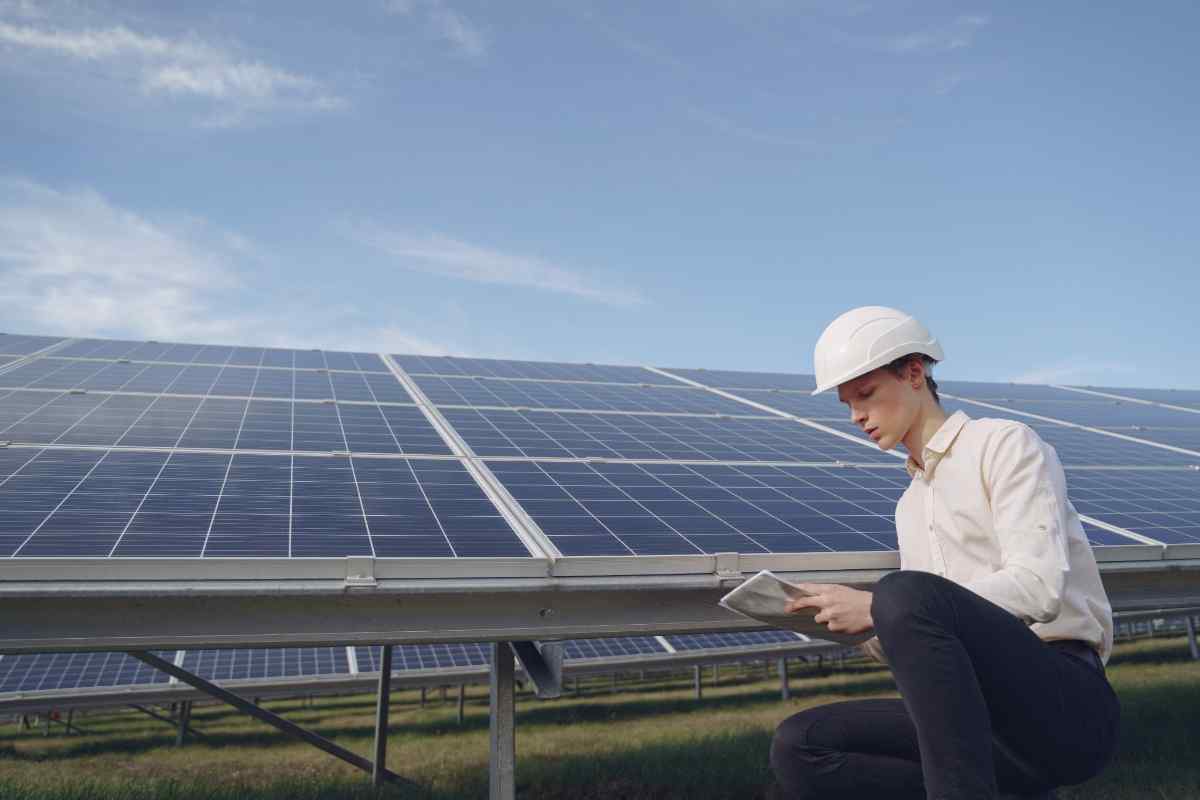
Behind-the-meter (BTM) solar and battery projects are becoming a key part of energy strategies for businesses, schools, warehouses, and industrial facilities. These systems help reduce utility costs, improve energy resilience, and support sustainability goals. However, new federal requirements related to Foreign Entities of Concern (FEOC) are creating additional compliance obligations for project developers, owners, and contractors.
Understanding FEOC compliance requirements for behind-the-meter solar and battery projects is now essential for organizations seeking to qualify for federal tax incentives and avoid costly project delays. As supply chain scrutiny increases, commercial solar developers must evaluate not only where components are manufactured but also who owns, controls, and finances the companies producing them.
What Is a Behind-the-Meter Solar and Battery Project?
A behind-the-meter solar and battery project generates and stores electricity on the customer’s side of the utility meter. Instead of sending all power directly to the grid, these systems provide energy for on-site consumption.
Common examples include:
-
Commercial office buildings
-
Manufacturing facilities
-
Distribution warehouses
-
Schools and universities
-
Healthcare facilities
-
Retail centers
Many organizations combine solar generation with battery storage to reduce peak demand charges, improve resilience during outages, and increase energy independence. As adoption grows, FEOC requirements for behind-the-meter solar and battery projects have become a critical planning consideration.
What Is FEOC Compliance?
FEOC stands for Foreign Entity of Concern. Federal regulations use this designation to identify organizations with significant ties to countries that may present national security concerns, including China, Russia, Iran, and North Korea.
FEOC compliance in solar projects focuses on determining whether critical equipment, components, or suppliers have ownership, control, funding, or operational connections to these countries.
The objective is to strengthen domestic manufacturing, improve supply chain transparency, and reduce reliance on potentially restricted foreign entities.
Why FEOC Requirements Matter for BTM Projects
Many commercial solar and storage systems rely on global supply chains. Solar modules, inverters, battery cells, battery management systems, and other equipment often originate from multiple manufacturers across several countries.
FEOC requirements introduce additional verification responsibilities because project eligibility may depend on:
-
Supplier ownership structures
-
Manufacturing locations
-
Material sourcing
-
Cost allocation records
-
Corporate control relationships
For organizations investing in a commercial solar installation service, compliance planning can no longer be treated as a final procurement task. It must begin during project development and supplier selection.
How FEOC Rules Affect Federal Solar Tax Credits
One of the primary reasons FEOC compliance matters is its connection to federal clean energy incentives.
Commercial solar and storage projects may qualify for valuable federal tax credits that help reduce project costs and improve return on investment. However, projects that fail to satisfy FEOC-related requirements may face limitations on eligibility for certain incentives.
As federal guidance continues to evolve, developers and project owners should maintain detailed documentation demonstrating compliance with sourcing and ownership requirements.
Early planning helps reduce risk and improves the likelihood of maintaining eligibility for available incentives.
Key FEOC Requirements for Solar and Battery Projects
Beginning with projects that start construction in 2026 and beyond, specific cost-share requirements apply to manufactured products used in clean energy projects.
Current guidance indicates:
| Project Component | Minimum Non-FEOC Cost Share |
|---|---|
| Solar Equipment | 40% |
| Battery Storage Systems | 55% |
These percentages are expected to increase over time.
To meet compliance requirements, project teams must carefully evaluate:
Supply Chain Transparency
Manufacturers must provide information regarding sourcing, production, and ownership structures.
Cost Accounting
Detailed records must demonstrate how equipment costs are allocated and whether components meet non-FEOC thresholds.
Supplier Certifications
Developers often need written certifications verifying ownership and operational independence.
Due Diligence Reviews
Organizations may need to evaluate board composition, investment relationships, licensing arrangements, and corporate governance structures.
Common Compliance Challenges for Commercial Projects
FEOC compliance can become complicated when multiple suppliers contribute equipment to a single project.
Common challenges include:
-
Limited supplier transparency
-
Inconsistent documentation formats
-
Complex ownership structures
-
Evolving federal guidance
-
Procurement changes during construction
-
Incomplete cost accounting records
Battery storage projects often face additional scrutiny because battery cells, modules, and management systems may originate from different suppliers.
Organizations implementing a solar battery storage solution should begin supplier verification well before procurement decisions are finalized.
Using Foreign-Made Components Under FEOC Rules
Many project owners assume foreign-manufactured equipment is automatically prohibited. That is not necessarily the case.
FEOC compliance does not depend solely on where a product is manufactured. Ownership, control, and financial relationships often play a larger role in determining eligibility.
For example:
-
A component manufactured domestically may fail compliance requirements if the manufacturer is controlled by a Foreign Entity of Concern.
-
A component manufactured overseas may still qualify if ownership and operational structures satisfy applicable requirements.
This distinction makes documentation and supplier verification especially important.
Real-World Example of FEOC Compliance
Consider a manufacturing facility planning a 750-kW rooftop solar installation paired with a 1.5-MWh battery storage system.
The project developer sources:
-
Solar modules from one manufacturer
-
Inverters from another supplier
-
Battery cells from a third company
During compliance review, the battery supplier’s ownership structure reveals connections to a covered foreign entity.
Without proper documentation or alternative sourcing, the project may encounter challenges related to federal incentive eligibility.
By identifying the issue during the design phase, the developer can select an alternative supplier and avoid delays.
FEOC Compliance Checklist for Project Owners
Before construction begins, project teams should verify the following:
✓ Confirm supplier ownership structures
✓ Review manufacturing locations
✓ Collect supplier certifications
✓ Track component cost allocations
✓ Evaluate battery cell sourcing
✓ Maintain audit-ready documentation
✓ Include compliance provisions in contracts
✓ Consult legal and tax professionals
✓ Verify compliance before procurement approval
A proactive approach significantly reduces project risk.
Planning Tips for Commercial Solar and Storage Projects
Organizations pursuing a commercial solar installation service can improve compliance outcomes by integrating FEOC reviews into early project planning.
Best practices include:
Diversify Suppliers
Avoid dependence on a single supplier whenever possible.
Establish Documentation Requirements Early
Request compliance information during vendor qualification rather than after contracts are signed.
Review Battery Supply Chains Carefully
Battery systems often present the highest compliance risk due to their complex manufacturing structures.
Work with Experienced Solar Partners
Experienced contractors understand evolving requirements and can help identify potential compliance concerns before they impact project schedules.
Organizations investing in a solar battery storage solution benefit from early supplier screening and detailed procurement planning.
Staying Ahead of Evolving FEOC Regulations
FEOC requirements continue to evolve as federal agencies refine guidance and implementation procedures.
Developers, contractors, and project owners should monitor updates related to:
-
Tax credit eligibility
-
Domestic content requirements
-
Supply chain verification standards
-
Documentation requirements
-
Battery storage compliance rules
Businesses that proactively address FEOC compliance in solar projects are better positioned to reduce risk, maintain project timelines, and preserve access to available incentives.
Ready to Build a Compliant Solar Project?
FEOC compliance adds new responsibilities, but proper planning can help organizations navigate these requirements successfully.
California Solar helps businesses evaluate supply chain risks, understand evolving regulations, and develop compliant solar and storage strategies. Whether you are planning a rooftop solar installation, battery storage project, or integrated energy solution, early compliance planning can help keep your project on schedule and prepared for future requirements.
FEOC compliance reviews should begin during project development and supplier selection to avoid delays and procurement issues later.
Frequently Asked Questions
Q1: What is a behind-the-meter solar project?
A behind-the-meter solar project generates electricity on a customer’s property and supplies energy directly to the facility rather than relying entirely on utility power.
Q2: Do FEOC rules apply to battery storage systems?
Yes. Battery storage systems are subject to FEOC requirements, including sourcing, ownership, and cost allocation considerations.
Q3: Why is FEOC compliance important for solar projects?
FEOC compliance helps determine whether projects satisfy federal requirements related to supply chain transparency and potential eligibility for clean energy incentives.
Q4: Can foreign-made solar equipment still be used?
In some cases, yes. Compliance depends on ownership, control, and supplier relationships, not solely on manufacturing location.
Q5: When should FEOC compliance planning begin?
FEOC compliance reviews should begin during project development and supplier selection to avoid delays and procurement issues later.
Q6: What documents are typically required for FEOC compliance?
Projects often require supplier certifications, ownership disclosures, cost accounting records, procurement documentation, and audit-ready compliance files.